Opening Plenary
The stage will open here when the session is ready.
Session Details
Upcoming sessions
Plenaries and parallel sessions open on their session pages
Urgent local adaptation needs strengthening Health and WASH outcomes in communities and displaced populations
How can National Societies translate climate-related health risks into effective local action? This session will showcase practical examples from Italy, Burkina Faso, South Sudan and Sri Lanka, highlighting community-driven approaches to addressing extreme heat, climate-health communication, and anticipatory action for dengue outbreaks. The session will also explore the climate–migration–health nexus, demonstrating how National Societies connect climate action, health protection, disaster response, and support for displaced populations. Through case studies and interactive discussions, participants will explore how to design needs-based climate-health programmes, strengthen collaboration with health systems and governments, and scale local action for greater community resilience.

Collaboration for locally led climate action in fragile and conflict-affected settings
As climate change increasingly intersects with fragility and conflict, local actors are leading efforts to strengthen resilience, reduce vulnerability, and support more peaceful communities. This session will showcase practical examples of locally led climate action in fragile and conflict-affected settings (FCAS), highlighting the leadership of communities, local organizations, and National Red Cross and Red Crescent Societies. Through stories from the field and an interactive discussion, speakers will explore how communities, local actors, governments, the ICRC, peacebuilding organizations, and donors can work together to deliver effective, conflict-sensitive climate action. The session will also examine how funding and international support can better reach and empower those closest to climate and conflict impacts. Join us to learn from frontline experiences, exchange ideas, and identify concrete actions to strengthen collaboration and accelerate locally led adaptation in FCAS!
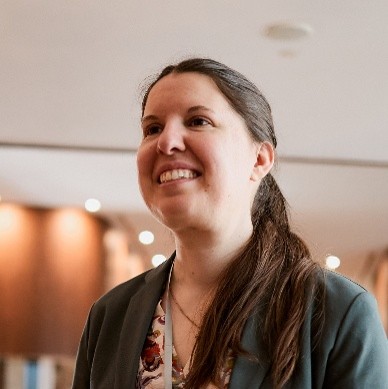
Mountains and small islands: Common lessons in the value and impact of resilience support for remote communities
When disasters strike, remote mountain villages and small island communities can be cut off from support for days or even weeks. Yet these communities are pioneering innovative approaches to self-reliance, early warning, and climate adaptation. Bringing together voices from Nepal, the Pacific and beyond, this session will explore what works, what is worth investing in, and how lessons from mountains and islands can shape more effective climate resilience efforts worldwide.

Arabic language session - Lessons from local climate action in FCAS: preparing, anticipating, responding and adapting to climate
What does effective climate action look like in fragile and conflict-affected settings—and how can local communities lead it? This interactive Arabic-language session will showcase inspiring examples of locally led climate action from across FCAS contexts, highlighting innovative approaches developed with and by communities facing climate risks, conflict, and instability. Through a series of dynamic TED-style talks, speakers from National Societies, the ICRC, local organizations, and partner institutions will share practical experiences and lessons from the field. Participants will then work together to identify common challenges, explore innovative ways of working, and co-create practical models for community-led climate action in FCAS. Join us to exchange ideas, learn from frontline practitioners, and help shape new thinking on how climate action can be more locally led, effective, and resilient in fragile and conflict-affected settings.
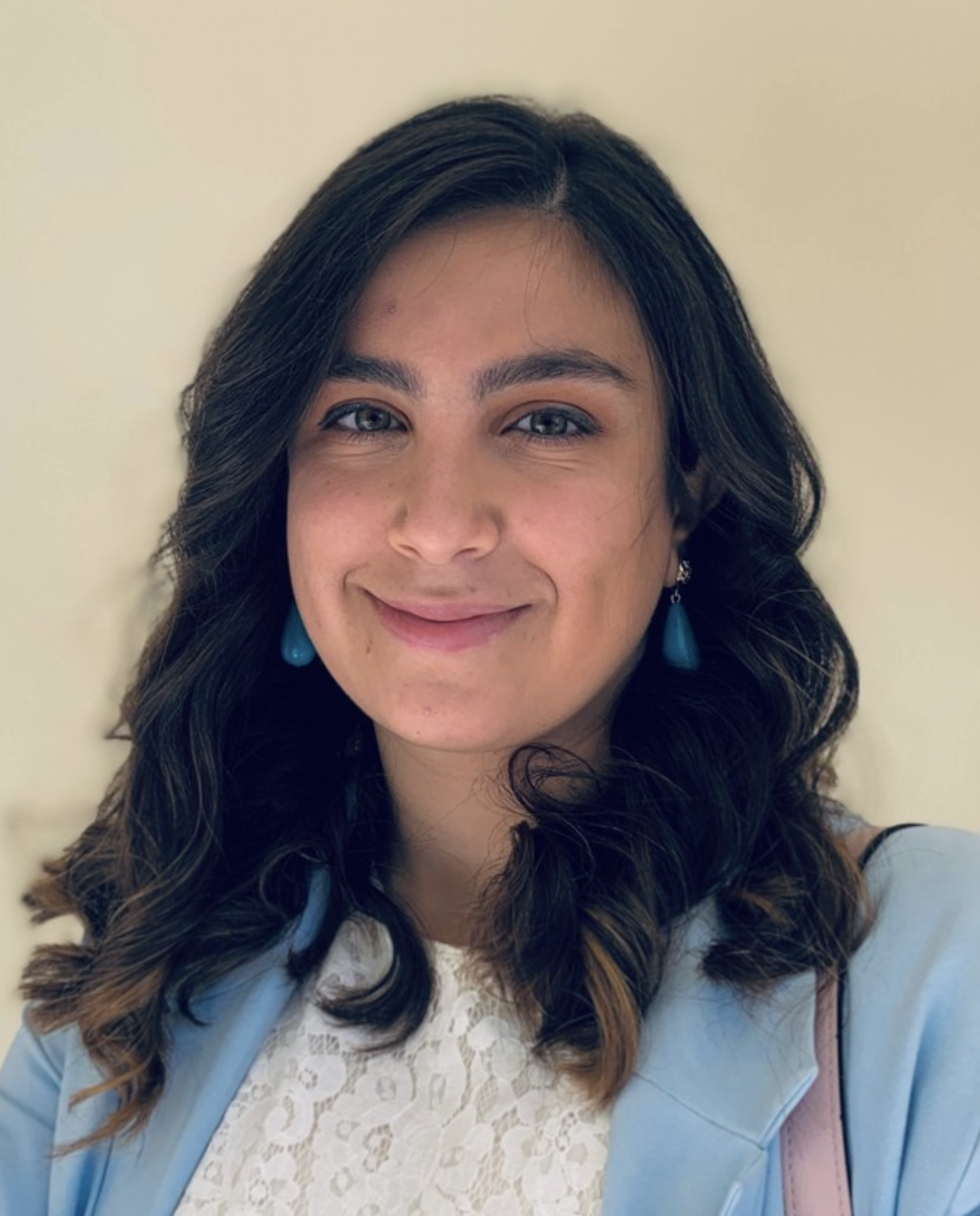
From principles to practice: what makes locally led adaptation innovative and effective in the humanitarian sector – and how can we scale this together?
This session explores how locally led adaptation (LLA) can move from principle to practice, highlighting why it is an innovative and effective approach for humanitarian action. Through community experiences from Malawi, Nigeria, Georgia and beyond, participants will examine what makes LLA different, the barriers to scaling it, and practical solutions to overcome them. Interactive discussions, audience engagement and expert reflections will foster learning, inspire new partnerships, and identify concrete opportunities to strengthen community leadership and accelerate locally led climate action worldwide.
Providing early warning systems that lead to local early action: What works well at the local level?
This breakout session explores what it takes to achieve universal early warning system coverage by placing communities at the centre of early warning and early action. Through local stories from Kenya, Ethiopia, Indonesia and Nepal, videos and expert reflections, participants will examine barriers and solutions related to actionable warnings, coordination, and resources. Featuring community representatives, Red Cross actors, WMO and local organisations, the session highlights practical, locally led approaches that make early warning systems trusted, inclusive, effective, and capable of driving timely action.
IFRC Climate Adaptation Innovation Awards
Five winners will pitch live, each recognized for climate adaptation projects and ideas led by volunteers driving change in their own communities. Chosen from over 700 submissions worldwide by a jury of climate and innovation experts, and a popularity contest base don YouTube engagement, the winners range from bold early-stage ideas to proven, high-impact prototypes, showcasing the power of community-driven climate resilience.
Leadership Plenary
Join us for the leadership plenary entitled "Hope, Humanity and Progress". Bringing together leading climate figures to examine urgent challenges and advance coordinated solutions. Through engaging dialogue and discussion you will hear from local climate leaders in their community, leaders of the major climate funds, climate envoys, humanitarian leaders and private sector innovators. Together, we will explore how local solutions can be scaled to support communities build resilience and advance collective leadership on climate action.
French language session: Locally led solutions for inclusive adaptation at scale: community perspectives
Locally led adaptation is increasingly recognized as essential as a long term, sustainable approach to address the impacts of the climate crisis. But as community-led solutions prove their worth, a harder question emerges: can they scale up without losing what makes them work, and without leaving parts of the community behind different contexts, including FCAS?

Youth as Climate Leaders: Building Resilient Communities Together
How can young people accelerate climate action where it matters most? Showcasing the new Youth-led Climate Action Strategy, this session highlights how youth are leading innovation, education and community resilience efforts around the world. Through real-world examples and peer exchange, participants will explore practical approaches to strengthening youth leadership, identify opportunities for local action, and leave with concrete commitments to advance climate solutions in their own communities.

Mobilising resources for effective action: what is the potential of social protection to drive local climate action at scale?
How can social protection and innovative financing strengthen climate resilience? This interactive session explores practical examples of locally informed social protection systems and climate risk financing that help communities adapt to climate shocks, protect livelihoods, and support community-led action. Through audience-driven discussion and real-world case studies, participants will examine what works, identify opportunities for scaling solutions, and explore how local experiences can inform global approaches. Participants will leave with actionable insights and ideas to apply in their own contexts.
Reimagining finance for locally led action
As climate-related crises grow in scale and complexity, locally led organisations are being challenged to find new ways to finance resilience, adaptation and long-term risk reduction. This session will explore the changing humanitarian and development funding landscape, examining how innovative financing approaches - including public-private investment, carbon finance, insurance, and cash - can complement traditional grant funding. Together, we will unpack what these financing mechanisms are, how they work, and what opportunities they may offer local and community-based organisations seeking to access new resources while advancing locally defined priorities and sustainable impact. Breakout Panels: 1. Public Private Investment – British Red Cross, Vietnamese Red Cross, FCDO 2. Carbon Finance – IFRC, Uganda Red Cross, Save The Children, EcoSecurities 3. Insurance – HIFHUB, Malawi Red Cross, Danish Red Cross, African Risk Capacity 4. Cash – Norwegian Red Cross, HIFHUB, PROPARCO, WFP, Cash Hub

Global Reach to Local Action: Working with Nature to Protect People
This session explores how Nature-based Solutions (NbS) and Working with Nature (WwN) approaches can help communities reduce disaster risks, strengthen climate and water resilience, and protect livelihoods. Through local examples and an interactive discussion, participants will learn how partnerships between communities, National Societies, governments, and other stakeholders can drive scalable and lasting impact. The session will highlight practical lessons, opportunities for financing, and ways to connect local action with broader climate adaptation efforts, leaving participants inspired to work with nature to build safer and more resilient communities.

Making anticipatory action ‘future fit’: are we ready for what is to come?
This session explores how anticipatory action can stay effective as climate risks, vulnerabilities, and hazards evolve. Drawing on the Future Fit Anticipatory Action report, participants will examine practical ways to design risk analyses, triggers, actions, and financing mechanisms that account for future conditions. Through expert insights, country experiences, and interactive group work, the session will identify strategies to strengthen resilience, connect anticipatory action with long-term adaptation, and ensure systems remain relevant and impactful over time.

Spanish language session - Climate-smart livelihoods and ecosystem management and restoration to strengthen local resilience
Join an interactive and engaging session in Spanish that explores how communities across Latin America are strengthening resilience through climate-smart livelihoods, ecosystem restoration, and locally led adaptation. Through a dynamic “Myth or Reality?” game, participants will hear real stories from Ecuador, Panama, Colombia, and the Dominican Republic, showcasing solutions such as agro-climatic early warning systems, mangrove restoration, indigenous-led adaptation, and nature-based livelihood recovery. Featuring voices from Red Cross National Societies, community partners, and the IFRC Livelihoods Resource Centre, this session will challenge common assumptions, highlight community leadership, and share practical lessons for scaling locally led adaptation and disaster resilience.
Combating Urban Heat
Extreme heat is one of the deadliest climate risks, yet practical solutions already exist. From city-level Heat Action Plans in Nepal to community-led heat resilience efforts in Spain and Latin America, this interactive session will showcase how local actors are turning heat warnings into life-saving action. Join practitioners, experts, and community leaders to explore what makes locally led heat action effective, identify solutions ready to scale, and gain tools to protect vulnerable people as temperatures continue to rise.
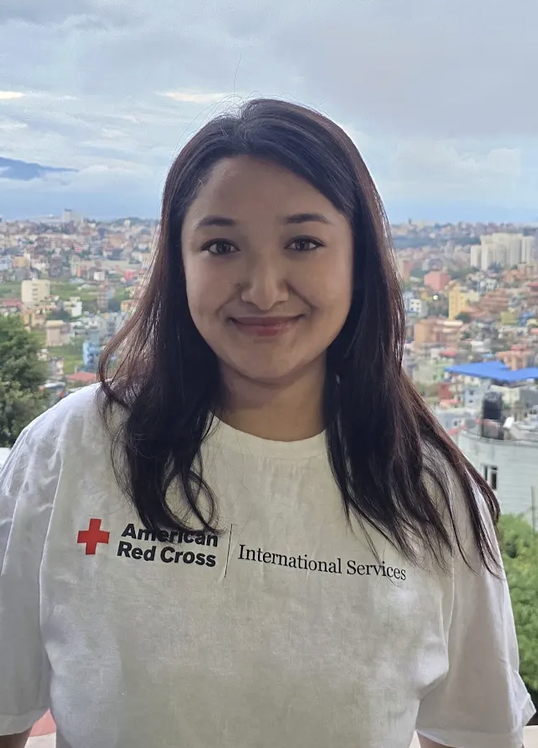
Bridging local innovation and global systems
Bridging local innovation and global systems explores how communities are combining local knowledge, leadership, and technology to build climate resilience. Through inspiring real-world examples from Ecuador, Chile, Indonesia and beyond, participants will hear directly from innovators and community representatives using forecasting tools, climate services, and other technologies to support adaptation. The session will also critically examine the opportunities, risks, and environmental impacts of emerging technologies, helping participants identify responsible, inclusive approaches that place communities at the centre of climate action and locally led adaptation.

Closing Plenary
Join us for the Summit's closing plenary as we reflect on the key insights, ideas and conversations that have shaped the day. Grounded in powerful community voices, this session will explore how humanitarian actors can help accelerate locally led climate action, address the barriers to scaling impact, and strengthen collective efforts with partners around the world. Together, we will look towards bold new ideas, meaningful commitments and shared pathways forward, before concluding with inspiring artistic performances that celebrate the spirit of collaboration and action.